Engaging in tabletop activities is more than just a pleasant way to pass the time with friends or family. Many of these traditional and modern games serve as powerful mental exercises that challenge our strategic planning, memory, and spatial reasoning. By regularly sitting down to play, you can keep your brain active, build cognitive resilience, and sharpen your decision-making skills in daily life.
The Deep Strategic Foresight of Chess
Chess remains the ultimate benchmark for mental discipline and calculated planning across the globe. Players must constantly visualize multiple moves ahead while simultaneously decoding the hidden intentions of their opponent. This continuous calculation strengthens spatial reasoning and improves objective problem-solving abilities under intense pressure.
Furthermore, this classic game teaches valuable lessons in patience and emotional control, as a single impulsive move can ruin an entire strategy. Regularly practicing chess forces your brain to build new neural pathways, keeping your cognitive faculties sharp as you age.
Tactical Calculation in Classic Card Games
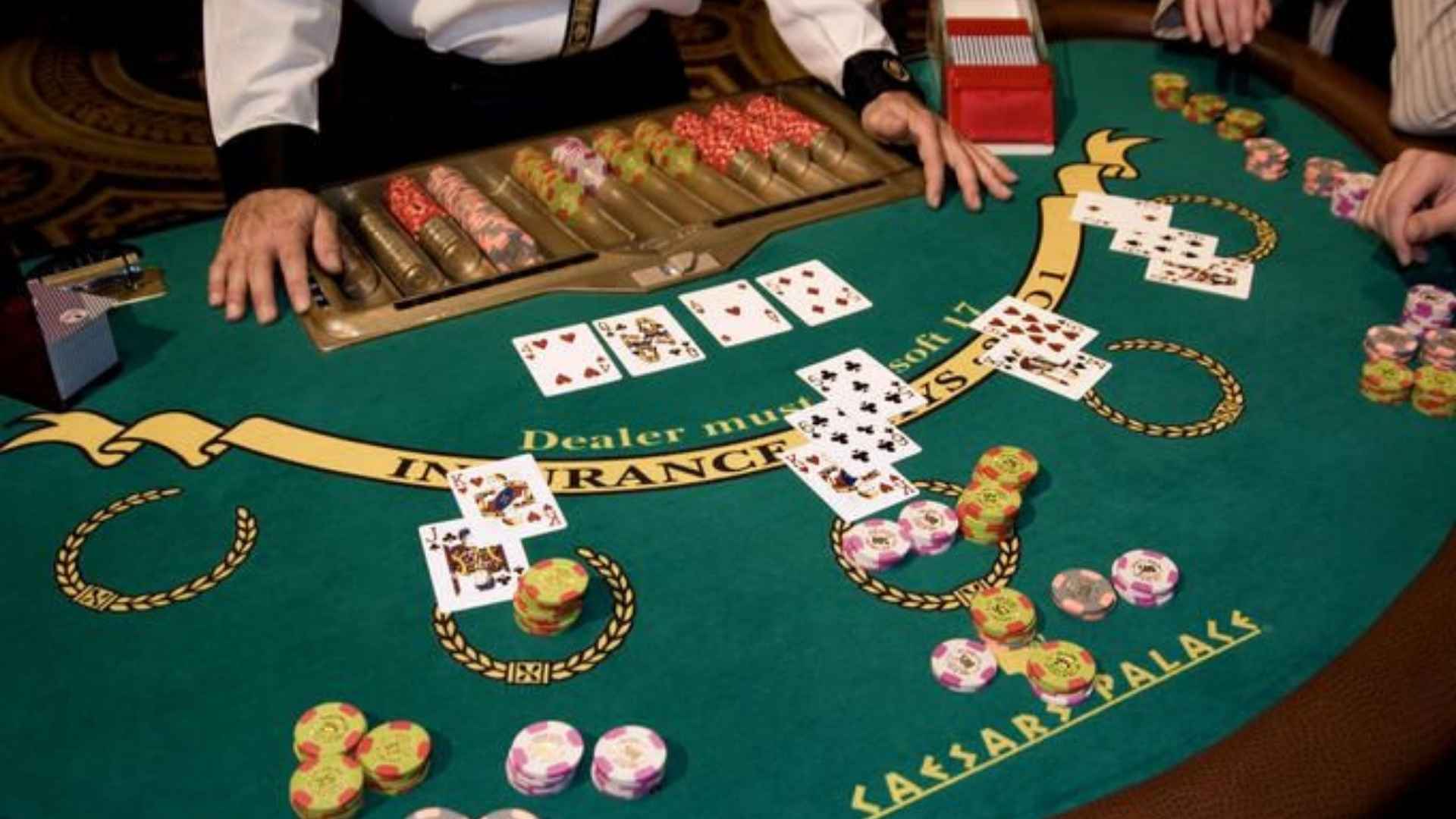
Card games like bridge, poker, and blackjack are legendary for their heavy reliance on mathematical probability and psychological skill. Players must constantly calculate their immediate odds while reading the subtle behavioral cues of others around the table. Mastering these dynamics involves a lifelong commitment to learning and refining your personal strategy.
For those looking to transition their analytical skills into the digital realm, finding a secure platform to practice is essential. Many players choose to test their tactics on a reliable website like M88 Login alternatif to explore various strategy-heavy card variations. Starting with simple games helps build your confidence and sharpens your mental math skills over time.
Spatial Intelligence Through Tile and Board Games
Tile-based games like Mahjong and modern tactical board games offer a unique workout for your visual and spatial memory. Players must keep track of various moving pieces, memorize patterns, and adapt their strategies based on what their opponents discard. This active monitoring prevents cognitive decline by challenging your brain to manage multiple streams of information at once.
These games also encourage quick adaptation, as the state of the board can change completely within a single round. Learning to pivot your strategy on the fly builds mental flexibility, a critical cognitive skill that helps you solve real-world problems more efficiently.
Building Cognitive Reserve for the Future
Consistently challenging your brain with diverse tabletop mechanics is one of the most effective ways to build a robust cognitive reserve. Much like physical workouts strengthen your muscles, varied mental stimulation keeps your mind resilient against age-related decline. The social interaction combined with tactical thinking provides a holistic approach to long-term brain health.
Ultimately, incorporating these activities into your weekly routine offers an ideal balance of fun and mental development. By stepping away from passive screens and engaging in active tabletop challenges, you give your mind the valuable workout it deserves.